

Ramadan gives Dubai a different rhythm. Daytime can feel quieter, while the hours after sunset become more social and active. In Bur Dubai, families meet for iftar, restaurants fill quickly, shops stay open later, and Dubai Creek, Al Seef, Meena Bazaar, and nearby streets become lively with diners, walkers, and late-evening shoppers.
For visitors, Ramadan is not about trying to fit every attraction into one day. It is about planning around sunset, booking meals before busy periods, allowing extra travel time, and being considerate around people who are fasting. Whether you are in Dubai for work, visiting relatives, exploring Old Dubai, or staying for several weeks, a few practical choices can make Ramadan evenings easier and more enjoyable.
Ramadan is the ninth month of the Islamic calendar. Muslims who are able to fast do not eat or drink between dawn and sunset. The sunset meal that ends the fast is called iftar, while suhoor is the meal eaten before dawn.
For visitors, Ramadan may affect office hours, attraction timings, restaurant activity, shopping patterns, traffic, public transport, parking, and service schedules. In Bur Dubai, the biggest change is often the evening atmosphere. After iftar, people may visit cafés, meet family, walk by Dubai Creek, shop in Meena Bazaar, or spend time in Al Seef until late.
Restaurants in Dubai can serve food during the daytime without the screens and special permits that were once required. However, visitors should still use discretion and show consideration when eating, drinking, or smoking around people who are fasting.
The easiest way to plan an evening is to think in three stages: the time before iftar, the first hours after sunset, and the later suhoor period.
Evening period | What to expect | Practical approach |
One to two hours before sunset | Restaurants, roads, supermarkets, and taxi routes may become busy | Avoid unnecessary journeys and arrive early for reservations |
Iftar and the first hour after sunset | Many people are dining or attending prayers | Have a confirmed meal plan close to your next activity |
Later evening | Shopping, cafés, Creek walks, and social activity increase | Good time for Al Seef, Meena Bazaar, Dubai Creek, and dessert stops |
Late night / suhoor | Some restaurants and cafés remain active | Confirm service hours and arrange your return journey early |
Sunset time changes each day, so check a reliable local prayer-time source before booking a restaurant or arranging a taxi.
Iftar is not simply a regular dinner. It is an important moment for families, colleagues, friends, and communities to gather after the fast. Restaurants may offer fixed iftar menus, buffet meals, or traditional dishes such as dates, soup, bread, grilled meats, rice dishes, Arabic coffee, juices, and sweets.
For visitors comparing a central base with kitchen space, room flexibility, and easy access to nearby dining, Bur Dubai hotel apartments can be useful to review when planning Ramadan evenings around reservations and late-night travel.
Iftar menus differ by restaurant and cuisine, but visitors may see:
Choose an iftar venue because it suits your group, dietary requirements, and evening schedule—not only because it advertises a buffet. An à la carte meal may be more comfortable for visitors with young children or specific dietary needs.
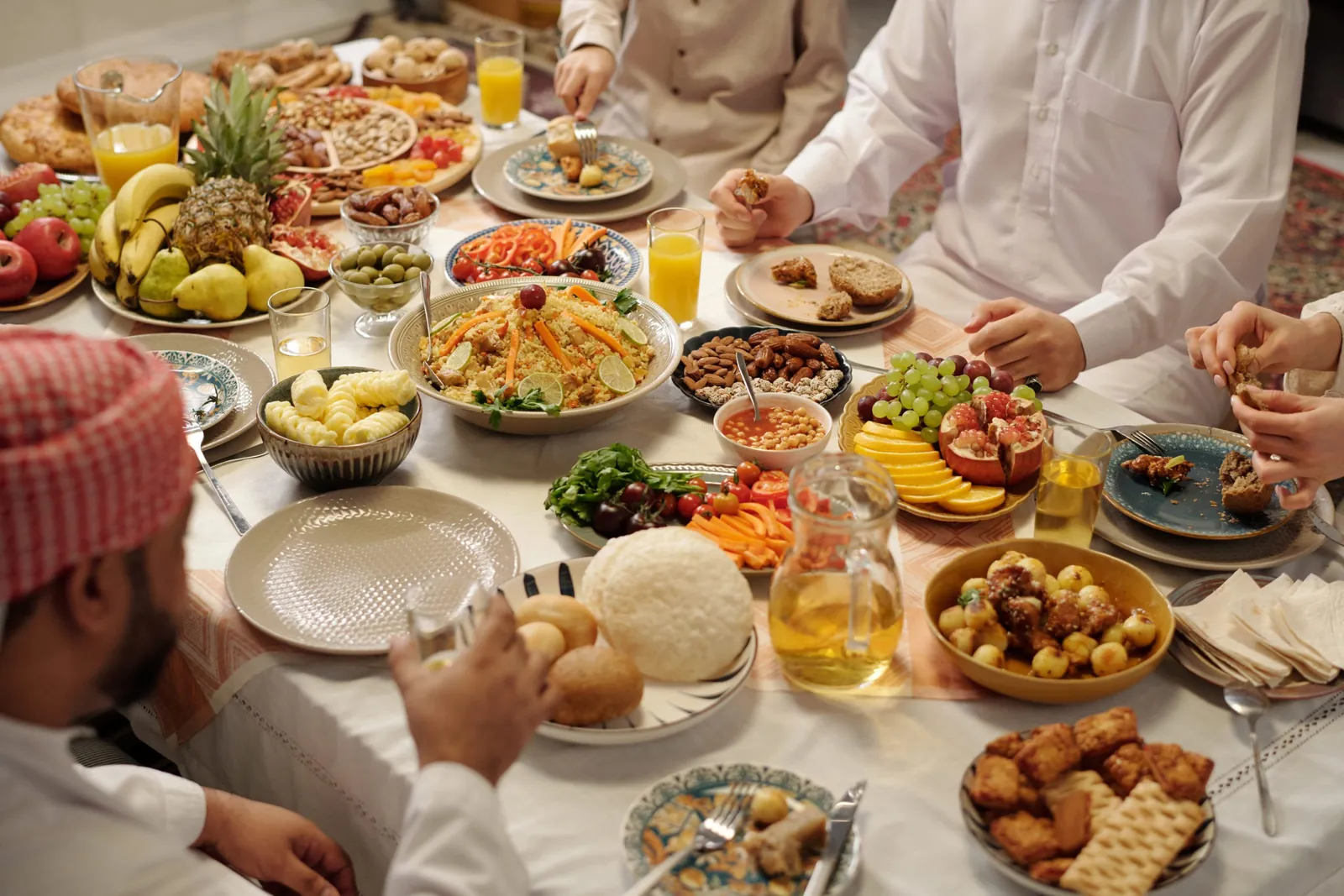
Suhoor is the pre-dawn meal eaten by people preparing to fast the following day. In Dubai, selected restaurants, cafés, hotels, and Ramadan venues may remain open later or serve special suhoor menus.
Even if you are not fasting, understanding suhoor explains why the city can remain active late at night during Ramadan. Restaurants, transport, and cafés may still be busy long after midnight.
Bur Dubai is a convenient area for late shopping because it combines local markets, malls, textile shops, tailoring, cafés, pharmacies, supermarkets, and Creek-side areas.
Meena Bazaar is popular for textiles, tailoring, jewellery, South Asian fashion, gifts, and dining. Ramadan evenings can be especially busy after iftar.
When shopping, remember to:
Al Seef provides a waterfront setting for dining, browsing, coffee, and a relaxed post-iftar walk. It can be a good alternative to a crowded mall if you prefer a slower evening.
An abra ride across Dubai Creek can be a memorable way to see Old Dubai after dark. Check final abra operating times and transport access before leaving, especially during Ramadan when schedules can change.
BurJuman and nearby malls can be useful for air-conditioned shopping, supermarket visits, family dining, pharmacies, and everyday needs. Ramadan retail hours may be extended, but check individual mall, shop, and restaurant timings before you travel.
Bur Dubai is well connected, but Ramadan travel works best when you plan around sunset and late-night service hours.
BurJuman Metro Station connects the Red and Green Lines. This makes it useful for travel toward Dubai World Trade Centre, Deira, Al Fahidi, Downtown Dubai, Dubai International Airport, and other key areas.
During Ramadan 2026, the Metro schedule was:
These times are not automatically valid for 2027. Dubai’s Roads and Transport Authority updates Ramadan operating hours annually, so check the official RTA announcement shortly before your visit.
Taxis and ride-hailing apps are useful when you have shopping bags, travel with young children, return after suhoor, or need door-to-door travel. However, demand can rise in the period before iftar and after large evening gatherings.
For a smoother trip:
Short walks in Bur Dubai can be enjoyable around Al Seef, Dubai Creek, Al Fahidi, Meena Bazaar, and BurJuman. Use marked crossings, select well-lit streets, and keep children close in crowded areas. Avoid long walks in the afternoon heat, even if the evening becomes cooler.
Visitors are welcome in Dubai during Ramadan. You are not expected to fast, but awareness of the month helps you interact respectfully with the people and places around you.
Ramadan is not a reason to avoid Dubai. It is an opportunity to experience a more evening-focused side of the city with awareness and respect.
The best Ramadan evening does not need to be rushed. A simple structure gives you time to eat, move around comfortably, and enjoy the atmosphere.
Time | Suggested plan |
Before sunset | Rest, confirm your booking, top up your Nol card, and leave early if you need a taxi |
At iftar | Have a reserved meal near your planned activity |
After iftar | Walk around Al Seef, browse Meena Bazaar, or take an abra across Dubai Creek |
Later evening | Visit a café, have dessert, or shop at a mall or local market |
Before returning | Check Metro closing time or arrange a taxi pickup before leaving |
Adapt this example to your group, reservation time, weather, current prayer schedule, and RTA service hours.
When planning a stay during Ramadan, the property’s location is not the only point to compare. Useful hotel facilities in Dubai can make early mornings, late meals, and changed daily routines easier.
Consider whether your stay includes:
These details matter more than usual if you are staying for several nights, travelling with children, working remotely, or returning late after suhoor.
Ramadan 2027 is expected to begin in early February, with current estimates suggesting around 8 February. The official start date will be confirmed by UAE moon-sighting authorities.
Yes. Restaurants can serve food during daytime hours in Dubai, and eating or drinking in public is no longer criminalised. Visitors should still use discretion and be considerate around people who are fasting.
Suhoor is the meal eaten before dawn by people preparing to fast during the next day. Restaurants and hotels may offer late-night or pre-dawn menus during Ramadan.
Yes. Many restaurants operate during Ramadan, though opening hours, menus, reservation availability, and dining patterns may change. Some offer iftar buffets, set menus, à la carte dining, or late-night suhoor service.
Yes. Bur Dubai provides access to iftar dining, Meena Bazaar shopping, Al Seef, Dubai Creek, late-night cafés, supermarkets, and both Metro lines through BurJuman Station.
Yes, particularly for weekends, larger groups, popular restaurants, and the final 10 nights of Ramadan. A reservation helps avoid waiting and makes travel planning easier before sunset.
Wear comfortable and respectful clothing suitable for warm weather. Modest dress is especially important at mosques, heritage locations, traditional markets, and public places.
Metro services can follow revised Ramadan hours. In 2026, trains generally operated until midnight and until 1:00 am on Fridays. Check the official RTA schedule for the Ramadan period you are visiting.
Ramadan nights in Bur Dubai give visitors a chance to experience Dubai at a more social and reflective pace. The key is to slow down: reserve iftar early, avoid unnecessary journeys immediately before sunset, allow time for traffic, and enjoy the later rhythm of Creek walks, shopping, cafés, and suhoor dining.
Check official Ramadan updates for prayer times, restaurant schedules, Metro hours, parking changes, and attraction opening times shortly before travelling. Dubai’s operating arrangements can change each year, and your evenings will be easier if you know your route home before going out. For travellers looking for a central, apartment-style base near BurJuman, Dubai Creek, and late-night dining, best hotel apartments in Dubai can be considered when comparing space, transport access, and practical facilities for a Ramadan stay.
Book directly with us to enjoy exclusive savings, dining discounts, and flexible check-in benefits.
We respect your privacy. Your details will only be used to send the offer and booking link. No spam – unsubscribe anytime.
BEST RATES GUARANTEED